ABOUT
LIFE
Howard Philips Lovecraft (August 20th, 1890 - March 15,
1937) was an American author of fiction, mainly horror, science,
fantasy and weird. He is one of the precursors of the science
fiction genre, although the style that is most evident in his
works and which is named after him is the Lovecraftian horror.
His works and the influence that they had led to the creation
what is now known as the Cthulhu mythos
Lovecraft was a genius as a child, being 3 years old he was able to recite poetry and by the age of 6 he began to write his own poems. One that sparked Lovecraft's interest in weird tales was his maternal grandpa - Winfield who with his wife took care of young Howard after his father passed away from illness. Stories told him by his grandpa were most likely inspired by gothis novelists.
FIRST WORKS
In 1896 his grandmother died, which had an effect on the entire
family as Lovecraft called it
a gloom from which it never fully recovered
. It was at
this time when your Howard started having nightmares which would
influence his later writings. First known works of Lovecraft
were his poems written at the age of 7 in the style of Odyssey
by Homer.
Later on astronomy became one of the influences which were
guiding Lovecraft in his worldview. He begun publishing
Rhode Island Journal of Astronomy
. In later years his
grandfathers business faced couple of downturns aswell as a
catastrophic failure, within couple of months after that
Winfield died from a stroke. Those events led to a financial
decline of the household.
ADULT LIFE
In 1908 young Lovecraft went through a mental breakdown, which in turn made it impossible for him to pass exams required to get a high school diploma.
Lovecraft led a life of a hermit, although everything changed
when he wrote a letter to The Argosy
newspaper
criticising a love story by some other author. The debate on
that subject drew attention of the head editor of
United Amateur Press Association
- Edward F. Dass who
invited Lovecraft to join his organization and later accepted
him into it in 1914.
CREATIONS
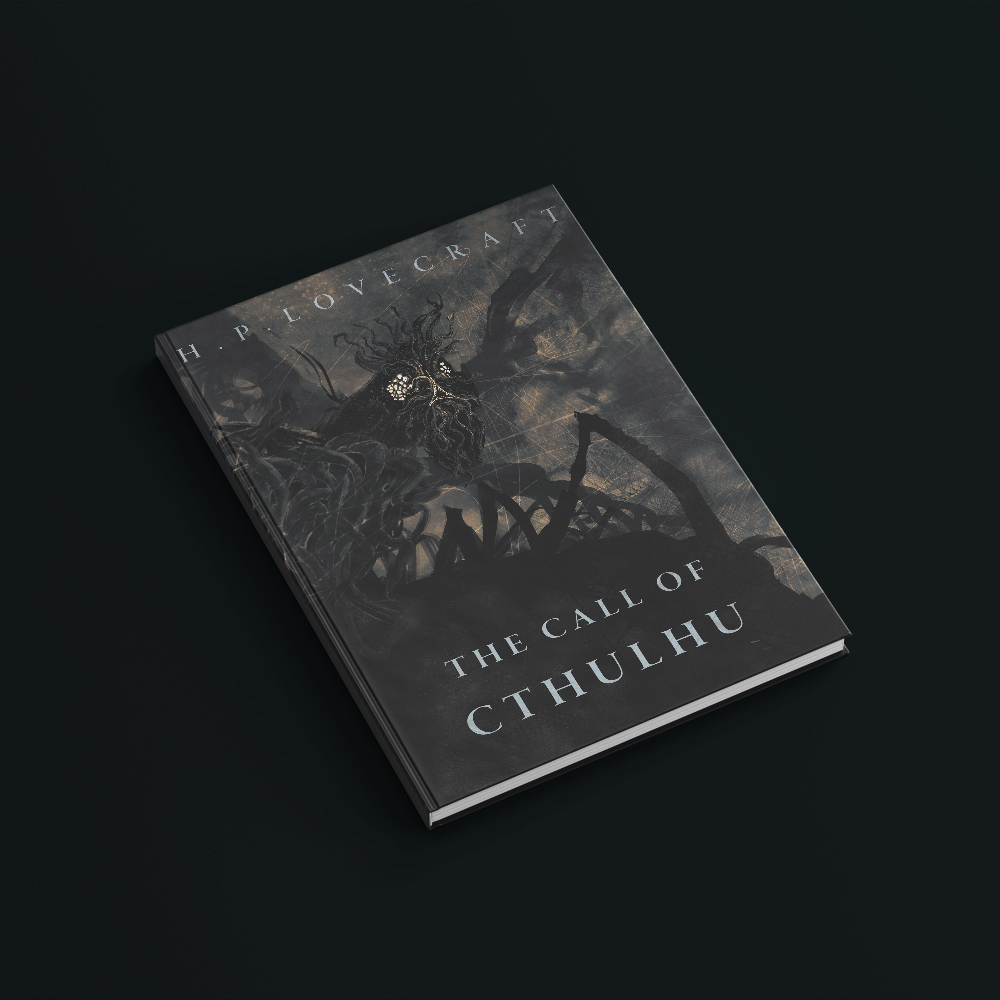
CALL OF CTHULHU
Masterpiece which inspired the name of the mythos. Follow the story of the narrator, uncover unimaginable secrets and face the unknown. Visit the sunken city of R'lyeh.
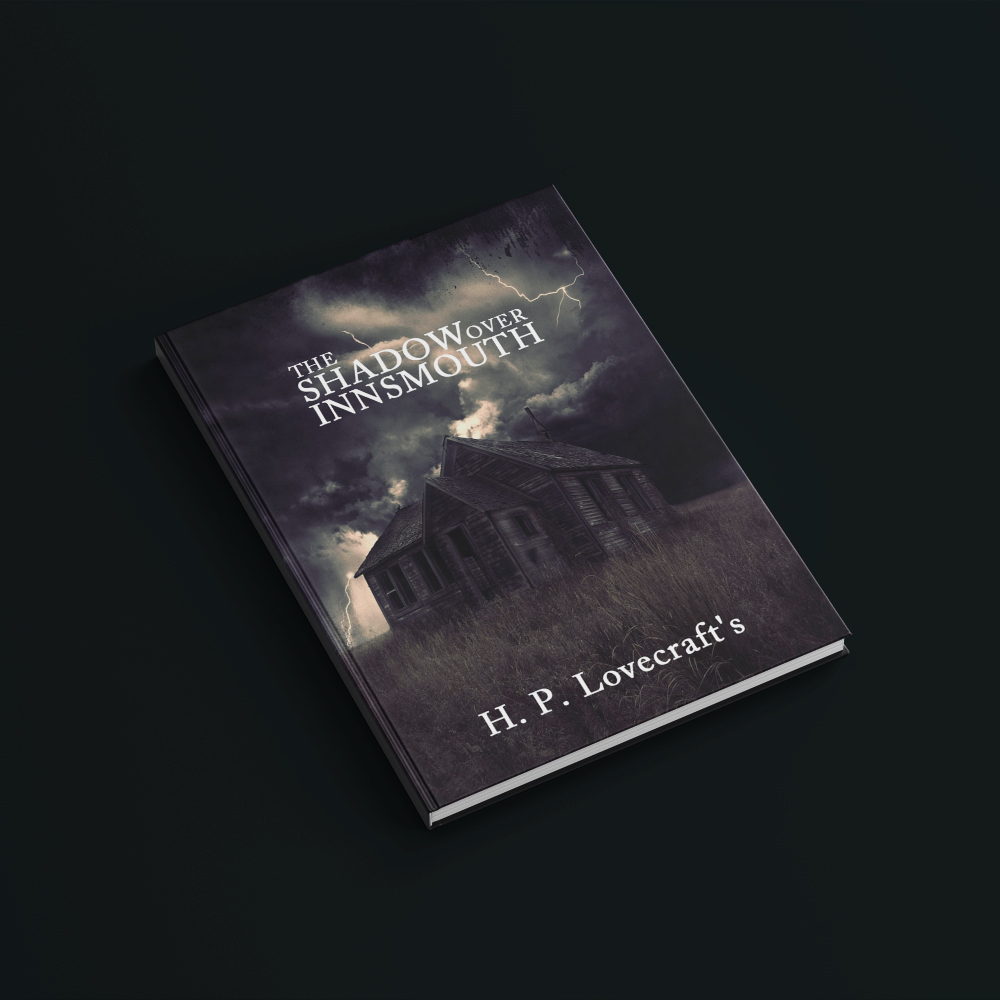
SHADOW OVER INNSHMOUTH
Investigate mysteries hidden in the town of Innsmouth. Uncover the hidden truth about The Deep Ones. This story is one of the perfect ones to get into Cthulhu mythos.
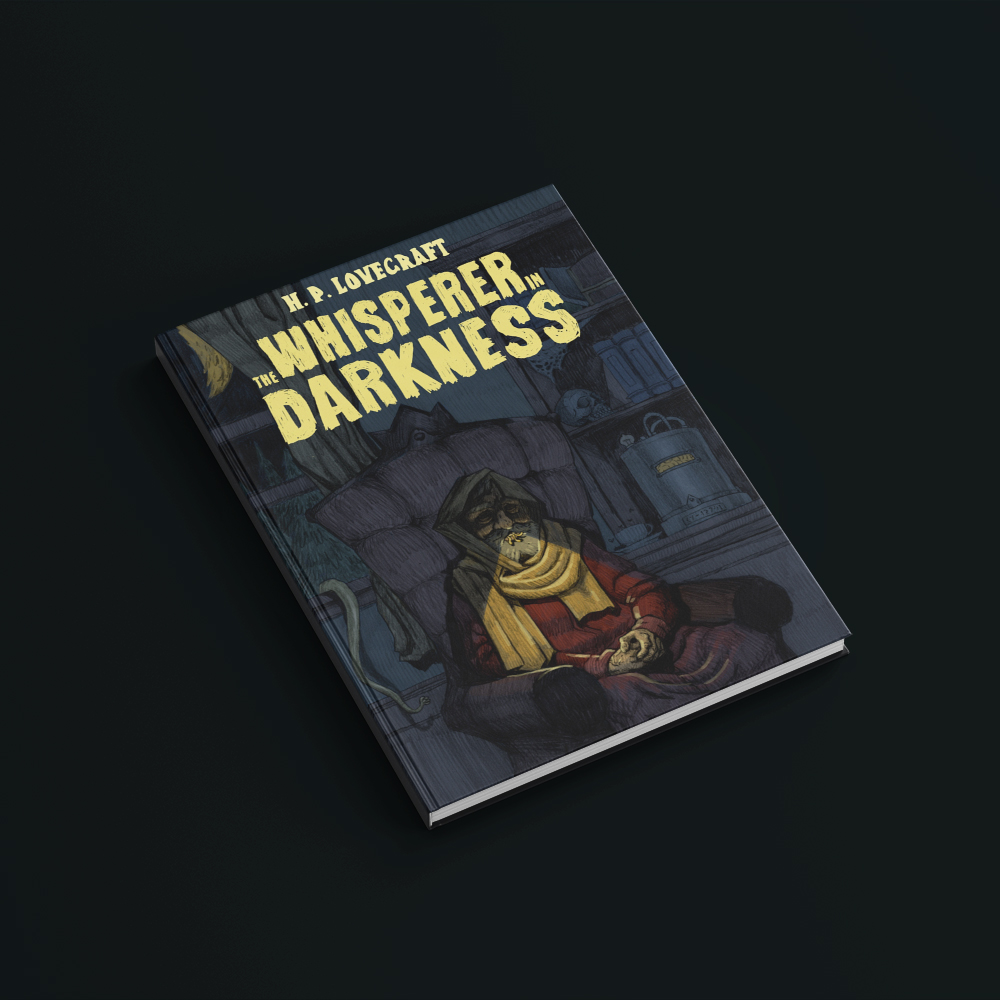
WHISPERER IN DARKNESS
Follow the story of Albert N. Wilmarth, venture to Vermont and find out if we are the only ones in the world.
HISTORY OF HIS WORKS
Joining the organization started a new chapter in Lovecraft's
life, he went back to his roots and started writing fantasy
fiction again. He finished up his old storied Dagon
and
The Tomb
. Both of those works were influenced by Edgar
Allan Poe. Dagon
was the first of Lovecraft's works that
displayed the themes and elements which his style is known for
nowadays.
In late 1920 Lovecraft started publushing his earlies stories
which we count towards the Cthulhu mythos
. The first one
- a poem titled Nyarlathotep
and a short story
The Crawling Chaos
written in a collaboration with
Winifred Virginia Jackson. Following year he wrote
The Nameless City
and Ex Oblivione
which were
published in Weird Tales
newspaper.
In later years Lovecraft moved to New York where he married
Sonia Greene in 1924. He was being pressured by his friends to
submit more stories to the Weird Tales
. Many of them were
accepted and published under his own name, as well as some of
the ones he ghostwritten.
His life in New York was full of tragedies, which left to
decline in his and his wife's healths. In 1925 he wrote
The Horror at Red Hook
and He
which both showed
his disapproval of living in New York. It was around this time
when he started planning the outline of
The Call of Cthulhu
.
BACK TO PROVIDENCE
His decline in health and financial problems led him back to
Providence where he lived in his aunts victorian house. This
period in his live contains most of his best works:
The Call of Cthulhu
,
The Dream-Quest of Unknown Kadath
and
The Shadow over Innsmouth
among many others. During this
time Lovecraft did a large amount of editorial work as well as
ghostwriting for other artists.
In later years Lovecraft's productivity would bring him no
renumeration, he was really sensitive to criticism and easily
would withdraw. As an example one of his better works
The Shadow over Innsmouth
was declined by him when
offered publication.
The book would be published as a paperback in 1936, even though
its advertisements in the Weird Tales
and some other
magazines it would sell poorly. Lovecraft was not pleased since
book had many errors which would take a long time to correct.
THE END
His last original story The Haunter of the Dark
marked
the end of his writing career. He said that poor reception of
At the Mountains of Madness
marked the end of him as an
author.
Because of his fear of the doctors Lovecraft would not want to be examined by them, which made it impossible to diagnose the terminal cancer he had. Only a month before his death he decided to look for help, he was hospitalized until his death on March 15th, 1937.
His legacy lives on in many other works as well as the themes which influences art as it is known now.